

The restoration of rivers is more than just a necessary environmental endeavor; it is a celebration of nature's splendor and a reflection of our shared duty. As urban development and industrial activity have often pushed rivers to the brink, the urgent need to restore these essential ecosystems has become more and more obvious. Healthy rivers not only support varied wildlife but also enhance the quality of life for populations that depend on them for leisure and sustenance.
In recent years, numerous cities have taken significant steps toward renewing their river landscapes. These restoration projects aim to restore habitats, enhance water quality, and develop accessible green spaces for everyone to benefit from. By integrating sewage cleanup Ada with community engagement, riverside restoration can foster a deeper connection between individuals and their local environments. As we examine the multifaceted benefits of these projects, we begin to understand that revitalizing our rivers is essential for the well-being of our planet and our communities.
Significance of Riverside Ecosystems
Riverbank ecosystems serve as essential interfaces between terrestrial and aquatic environments, supporting a wide-ranging array of vegetation and animal life. Such environments are important for preserving biodiversity, as they provide habitat, food, and breeding grounds for a variety of species. The distinct conditions found along riverbanks contribute to the richness of flora and fauna, offering habitats for everything from migratory birds to small mammals and arthropods.
Furthermore, well-functioning riverside ecosystems play a significant role in the quality of water and flood management. Vegetation along riverbanks acts as a natural filter, trapping pollutants and minimizing sediment runoff into the aquatic systems. This does not only enhance the health of water ecosystems but also protects drinking water sources for nearby communities. Additionally, carefully managed dehumidification service Ada help mitigate flooding by absorbing excess rainwater and slowing down runoff, reducing the risk of erosion and damage to buildings.
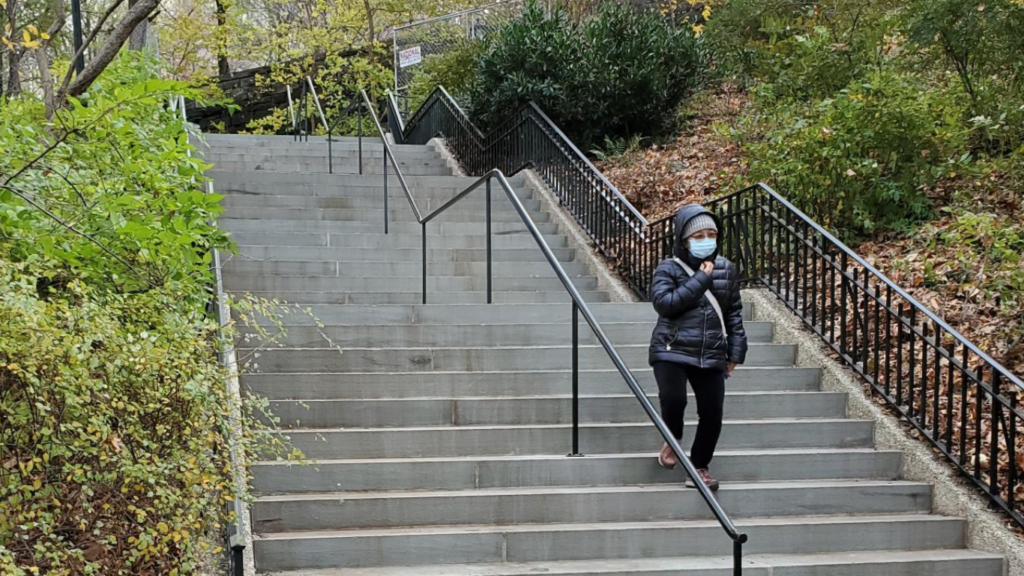
Finally, riparian ecosystems are important for the prosperity of local communities. They offer recreational opportunities, such as fishing, kayaking, and hiking, cultivating a connection between individuals and nature. The scenic value of these environments also boosts property values and can draw tourism. By focusing on riparian restoration efforts, we can guarantee the preservation of these ecosystems, benefiting both the natural world and the communities that depend upon them.
Methods for Successful Revitalization
Effective riverbank revitalization requires a thorough understanding of the regional environment and the challenges it encounters. One proven method is the restoration of local flora. By planting species that are indigenous to the region, we can assist restore native habitats, enhance biodiversity, and stabilize the riverbanks. Native plants are adapted to local ground and weather variables, which makes them more resilient and capable of flourishing without intensive maintenance. These plants also serve a crucial role in supplying nutrition and shelter for wildlife, promoting a healthy environmental balance.
A further crucial method is the use of natural engineering methods to combat erosion and boost bank strength. This can encompass the use of soft solution methods, such as sowing deeply entrenched plants or using live stakes from local bush species. These methods not only mitigate land erosion but also enhance aquatic quality by cleansing run-off and minimizing silt in the river. The inclusion of natural resources and features aids preserve the river's aesthetic appeal, making revitalization efforts more harmonious with the surrounding landscape.
Engaging the local community is crucial for the sustained effectiveness of riverbank restoration initiatives. Community involvement can take many forms, such as community planting days, informative workshops, and the creation of care programs. By involving residents in the revitalization process, they develop a sense of belonging and commitment in the waterway's health. This involvement cultivates a shared commitment to continued maintenance and oversight, ensuring that the restoration are sustained well into the long-term.
Case Studies of Riverside Renewal
A significant case of successful riverside restoration is the Los Angeles River project in California. Historically, the river was channelized and encased in concrete, removing it of its natural habitat and aesthetic. Nonetheless, community activists and city planners united to develop a thorough plan that aimed to restore the river's ecological function while enhancing public access. Through the replanting of native vegetation and the development of parks along the shores, the project transformed the river into a lively space for wildlife and residents alike. The revitalization efforts have not only improved biodiversity but also fostered leisure activities and cultivated a sense of community pride.
In the UK, the Thames has undergone important restoration efforts to boost water quality and species diversity. Efforts such as the Tideway Tunnel aim to lower sewage waste and develop a cleaner river setting. Additionally, the creation of wetland areas and the restoration of riverbanks have facilitated the recovery of multiple fish species and birds. The public has also enjoyed from upgraded walking and biking paths along the river, which promote sustainable transportation and engagement with nature. This comprehensive approach highlights the importance of integrating ecosystem health with urban infrastructure.
The River Fueguino in Argentina stands as another commendable case of riverside restoration. Following periods of degradation and neglect, local environmental groups started efforts to clean up the river and revive its surrounding ecosystems. They planted trees, controlled invasive species, and engaged the community in awareness programs to promote responsible practices. The renewal of the river has significantly enhanced life for both local residents and wildlife, showcasing the powerful impact of local movements in reversing environmental degradation. This restoration not only restored the natural landscape but also rejuvenated community engagement, demonstrating that community action can lead to significant change.
Address: 380 Stone Falls Dr, Ada, MI 49301, United States Phone: +1 616-675-0110 Hours: Open 24 hours